

Designing Simplicity in Complexity – Building Robotics Simulation UX for O3DE


Read the original full blog here >>>
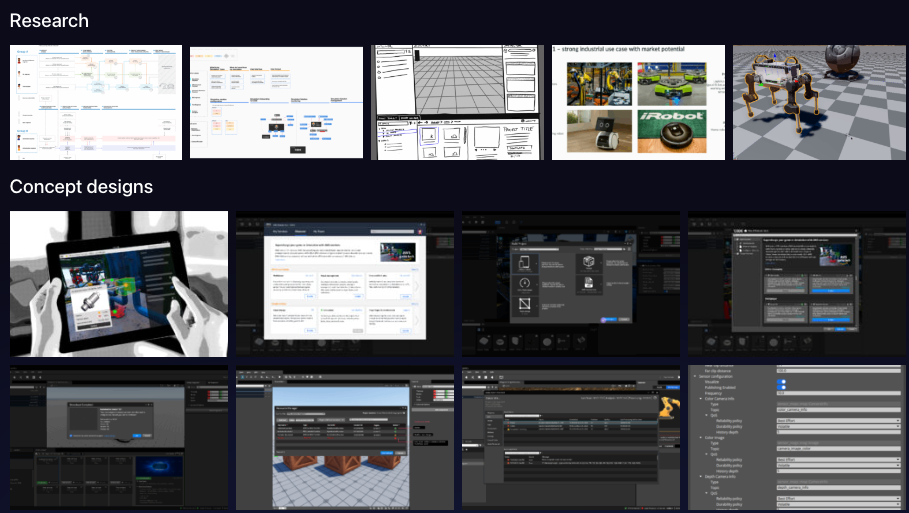
In 2023, Joshua Rainbolt ran into the challenge which was to design a user experience system in O3DE that allowed robotics and simulation engineers to work seamlessly with IoT devices, sensors, and real-time data. The twist: Joshua was a game development UX designer stepping into the world of industrial robotics, ROS2 systems, and sensor networks.
Learning a New Language
Understanding ROS2, URDF/SDF files, and real-world sensor integration was essential. Approaching robotics through a game design lens made it possible to ask: how to make complex systems feel as intuitive as placing objects in a game level?
UX Philosophy: Hide the Complexity
Interfaces were designed to feel natural while hiding underlying technical complexity, ensuring engineers could focus on tasks rather than mastering the engine.
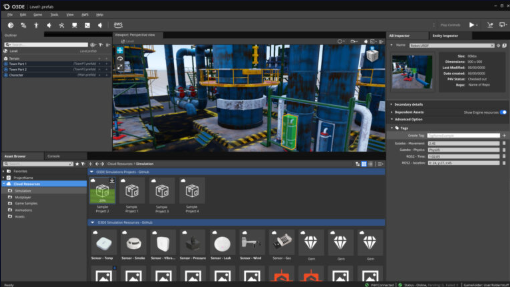
Five Key Workflows
- Discovery Made Simple: The Integrated Marketplace – onboarding should feel like shopping, not studying.
- Import Without the Headache: URDF/SDF Conversion – Never make users guess what’s happening to their files.
- Sensors as Building Blocks: The Component Library – Users can simply drag and drop sensors from the asset browser directly into their 3D environments, just like placing props in a game.
- Real-World Connections: Digital Twin Configuration – The interface shows real-time sensor data overlaid in the 3D environment, making abstract IoT data feel tangible and spatial.
- Scale Without Complexity: Multi-Simulation Management – Users see their simulations as organized projects in a familiar browser-style interface, while the system handles the complex orchestration behind the scenes.
Impact
Validated with partners in agriculture, manufacturing, and AI, these workflows made complex robotics approachable without sacrificing functionality. Some features are live in O3DE today, with continued evolution under The Linux Foundation.
Key Takeaways
- Progressive disclosure works everywhere
- Familiar patterns reduce cognitive load
- Visual feedback builds confidence
- Real user testing trumps assumptions
- Scale considerations should inform design from day one